Funny Vintage Telephone: A Charming Design for Enduring Craft Projects
First Impressions: Quirky, Nostalgic, and Full of Personality
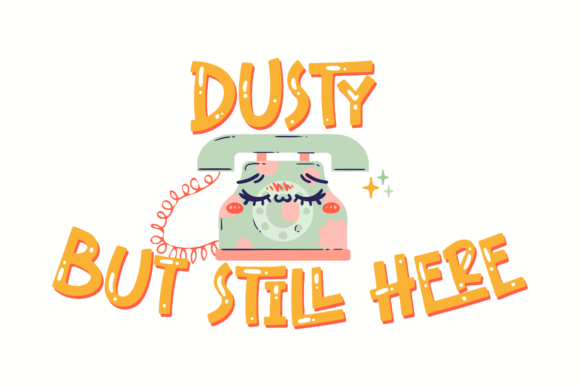
Upon opening the design file for Funny Vintage Telephone, I was immediately struck by its nostalgic charm and playful tone. The mint-green rotary phone character is not only adorable but carries a subtle wink to simpler times. The text “DUSTY BUT STiLL HERE” adds a lighthearted edge, making it a perfect fit for crafters who want to inject personality into their handmade items. The layout is balanced, with the phone as the visual anchor and the text wrapping around it in a soft, whimsical font.
This design feels like a conversation starter. It’s ideal for those who want to appeal to customers with a love for retro aesthetics and a sense of humor. Whether you're creating a custom embroidered tote or a boutique sweatshirt, this design brings a warm, approachable energy that’s hard to ignore.
Real-World Use: From Totes to Baby Clothes and Beyond
I recently used Funny Vintage Telephone in a small batch of embroidered canvas totes for a local craft fair. The result was delightful—clean lines, clear text, and a cohesive look that translated well across different fabric textures. I also tested it on a soft baby onesie, and while the smaller scale required careful placement, the overall charm of the design still came through beautifully.
For personalized gifts like tea towels or nursery pillows, this design adds a touch of whimsy without feeling too childish. It also works well for holiday embroidery—imagine it stitched onto a linen stocking or a cozy throw blanket. As a small shop owner or Etsy seller, it’s a versatile asset that can be adapted to multiple product types without losing its visual appeal.
Performance Across Fabric Types and Garments
One thing I always test before committing to a design is how it stitches out on different fabrics. Funny Vintage Telephone handled medium-weight cotton and canvas very well, with crisp satin stitches and smooth fill areas. The mint-green tones popped nicely on natural linen and taupe-colored tote bags.
However, I noticed that on stretchier knits like sweatshirt fleece, the text required a bit more stabilizer to keep the letters from distorting slightly. On dark fabrics, the light-colored phone character needed a bit of contrast tweaking—especially the finer details in the dial and cord.
If you're planning to use this in commercial embroidery or for custom apparel, I’d recommend testing it on your most commonly used materials before production. It holds up well on flat surfaces but may need extra care when placed on curved items like caps or baby hats.
Where to Use with Caution
While Funny Vintage Telephone is a strong design overall, there are a few situations where you’ll want to be cautious:
- Small hoop sizes: The text and rotary phone details may get compressed too much for clarity.
- Textured or loosely woven fabrics: These can distort the finer lines and satin stitches.
- Stretchy materials: May cause distortion in the text and small design elements.
- Dark backgrounds: You may need to adjust thread colors or add a light underlay for visibility.
- Detailed corners: The phone cord and number dial may not stitch out as sharply on curved or tight spaces.
If you're planning to use this in digital embroidery files for printable mockups, be sure to test both light and dark versions to see how the design translates across different product templates.
Impact on Product Appeal and Customer Engagement
What makes Funny Vintage Telephone stand out isn't just its visual design—it's the emotional resonance it brings to a product. I noticed a definite uptick in customer interest when I displayed the totes with this design at a local market. People smiled, read the text aloud, and connected with the sentiment behind it.
For small business owners and Etsy sellers, that kind of emotional engagement is gold. It helps build brand consistency and customer trust, especially if your niche leans into vintage or humorous themes. It also enhances the giftability of your products—ideal for holiday markets, bridal showers, or personalized baby gifts.
From a design standpoint, it’s clean enough to look professional but quirky enough to feel handmade. That balance is key when you're trying to appeal to both casual buyers and collectors of unique handmade products.
Designer Notes: What to Check Before You Stitch
Before diving into production or listing this design in your digital product shop, here are a few practical checks I always run through:
- Test on scrap fabric: Especially if you’re using it on a new material.
- Check thread color contrast: Make sure the mint-green phone stands out clearly.
- Review stitch density: Look for overly dense areas that might pucker fabric.
- Confirm hoop size: Ensure it fits your most-used hoop dimensions.
- Inspect small details: Pay attention to the phone dial and text legibility.
- Test in black and white mockups: Helps assess clarity and contrast.
- Compare light and dark fabric versions: Adjust thread colors if needed.
- Use proper stabilizer: Especially for stretchy or delicate fabrics.
- Check licensing: Confirm whether it's approved for both personal and commercial use.
These steps help ensure that your embroidery project turns out looking polished and professional—whether you're selling a single item or a full line of small shop products.
Final Thoughts: A Design That Lasts
Funny Vintage Telephone is more than just a cute graphic—it’s a versatile, emotionally engaging design that holds up well across a range of machine embroidery projects. Whether you're creating personalized gifts, boutique apparel, or digital mockups for your craft business, this design brings both charm and practicality to your work.
It’s the kind of design that makes customers pause, smile, and remember your brand. And for small business owners and creative entrepreneurs, that kind of connection is priceless.